Our work
Four things we do, and do carefully.
We are small. That means we choose work where a small organisation makes a real difference: standing beside one person, and making sure the record of what happened to them survives.
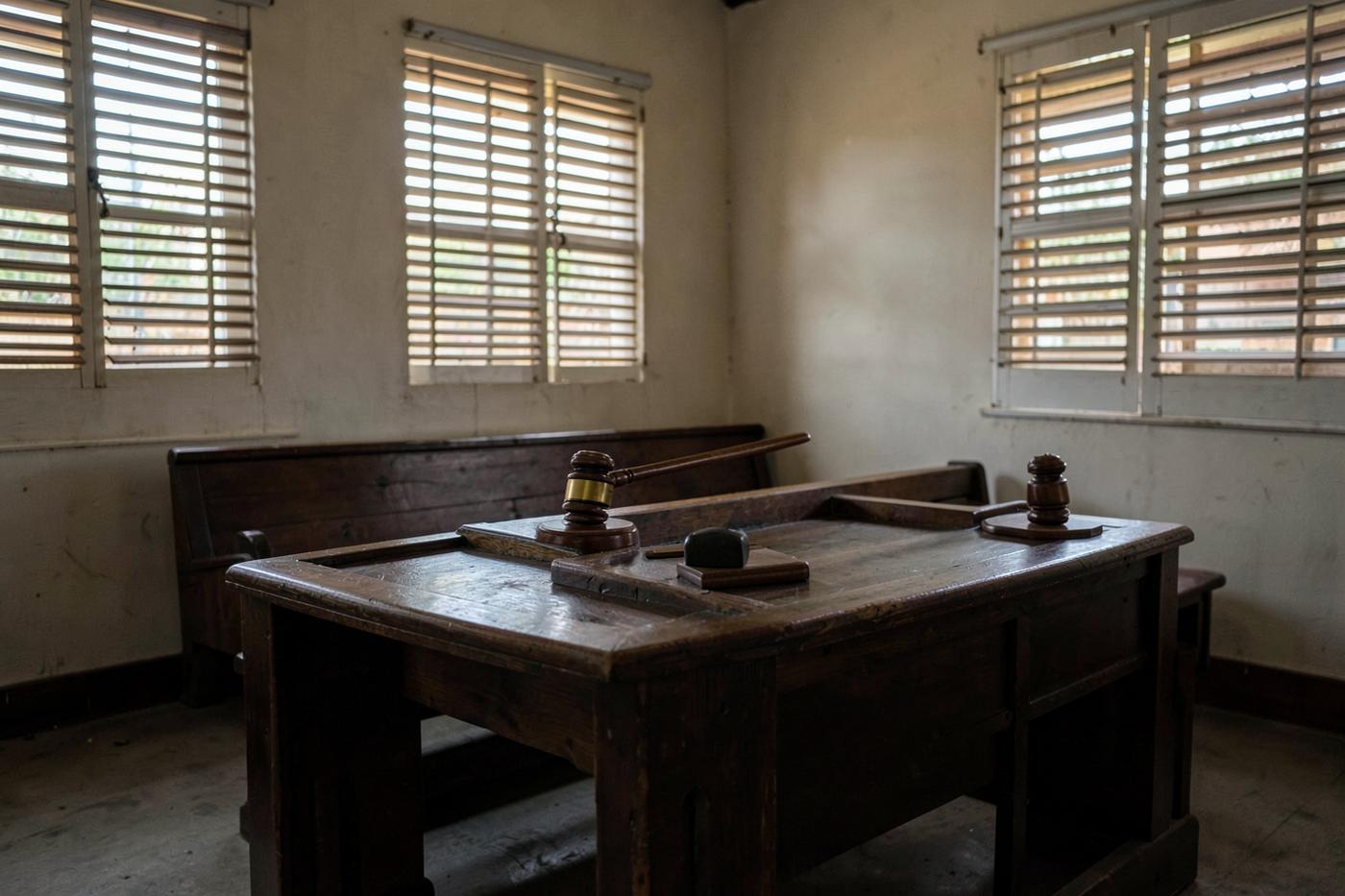
Victim support and legal referrals
When someone contacts us we listen first. Then we work out what is possible: a lawyer who will take the case, a clinician who will treat without judgement, a safe place to sleep, or help writing a complaint to the police professional standards bureau or the Commission on Human Rights and Administrative Justice. We are not a law firm, and we say so plainly — but we know who to call in Accra.
Documentation and reporting
We record cases carefully and consistently: what happened, when, where, who was involved, what evidence exists, and what the person wants to happen next. Consent governs everything. Nothing identifying is published without explicit permission, and people can withdraw at any time.
Advocacy and public education
We take what our records show to the people who can change it — parliamentary committees, national institutions, media, and international mechanisms. We also run plain-language explainers so Ghanaians know what their rights actually are under the 1992 Constitution.
The story hub
Human rights reporting on Ghana is scattered across international organisations, wire services and local outlets, and much of it disappears behind broken links. We keep one open archive, organised by theme, always crediting and linking to the original reporting.
If you are in danger, start here.
Our Get Help page explains what we can and cannot do, how to keep yourself safe while you contact us, and how to report anonymously.